


How to Track Your Investment Performance
When people first start investing, the focus is almost always the same - making money. However, after the initial excitement fades, a more important question appears: “How do I know if I’m actually doing well?”
This is where many beginners get stuck. They check their portfolio, see numbers going up and down, and try to interpret what it means. But without a clear framework, those numbers don’t tell much of a story. Tracking investment performance is not just about results. It’s about understanding your decisions, your habits, and how you respond to the market over time.
Understand your own strategy
Before you track performance, you need to understand what kind of investor you are. Are you building a long-term portfolio, focused on steady growth over the years? Or are you more active, making shorter-term decisions based on market movements?
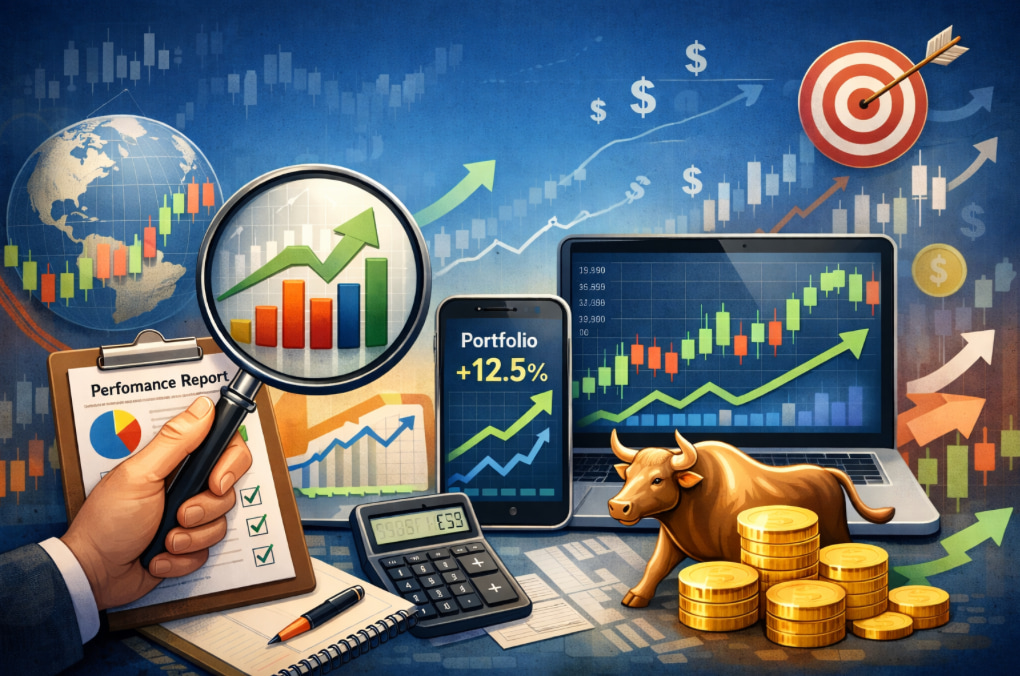
There’s no right or wrong approach - but the way you track performance should match your strategy. Many beginners struggle not because they lack knowledge, but because they mix these approaches. They invest long-term but react short-term. Or they trade actively but don’t track their decisions properly. Clarity here makes everything else easier.
Performance is more than just profit
Many beginners focus only on profit, but that’s just one piece of the puzzle. To really understand your performance - whether you’re investing long term or trading more actively - you need a few simple metrics that put your results into context.
Start with total return, which shows how much your portfolio has grown. For example, if you invested $10,000 and it’s now worth $11,000, your return is +10%. This tells you whether you’re making money, but it doesn’t tell you if you’re doing well compared to the market.
That’s where benchmark comparison becomes important. If the market (for example, a major index) returned +15% during the same period, your +10% means you underperformed. On the other hand, if the market returned +5%, then your +10% is a strong result. This applies to both long-term investors and traders - it helps you understand whether your strategy adds value or just follows the market.
Next is consistency of returns. Instead of looking at one result, look at how your performance behaves over time. For example:
Month 1: +4%
Month 2: -3%
Month 3: +5%
This is more meaningful than a single +6% gain. Long-term investors should look for steady growth over months and years, while traders should focus on consistent results across multiple trades - not just occasional wins.
Another key metric is drawdown, which shows how much your portfolio drops during bad periods. For example, if your portfolio grows from $10,000 to $12,000 and then falls to $9,000, your drawdown is -25% (from the peak).
This matters because it reflects real risk. A strategy that returns +20% but drops -30% along the way is much harder to manage than one that returns +12% with only a -10% drawdown.
For more active investors, especially traders, it’s also important to understand risk-to-reward. This measures how much you risk compared to how much you aim to gain. For example:
Risk $100 to make $200 → 1:2 ratio (strong)
Risk $200 to make $100 → 2:1 ratio (weak)
Even with a 50% win rate, a good risk-to-reward ratio can make a strategy profitable over time.
Finally, don’t rely only on how often you win. A win rate of 70% may sound impressive, but if your losses are larger than your gains, you can still lose money overall. What matters is the balance between wins and losses, not just their frequency.
Track your decisions, not just your results
At some point, every investor learns this: a good result doesn’t always mean a good decision. You can get lucky - especially in the short term. And you can make the right decision and still lose money. That’s why it’s important to reflect on your actions: “Why did I enter this position?”, “Did I follow my plan?”, “Would I repeat this decision?”.
This applies to both styles:
Long-term investors - reflect on entry timing, allocation, and patience
Traders - analyze setups, timing, and execution
Over time, this builds something much more valuable than results: understanding.
Risk and keeping your tracking simple and consistent
Risk is often underestimated - especially at the beginning. For long-term investors, risk usually appears as painful drawdowns and the need for patience. The real test is whether you can stay invested when the market drops sharply. For short-term traders, risk feels more immediate. It centers on smart position sizing, using stop losses, and quickly cutting losses before they grow.
In both cases, tracking performance means asking: Am I comfortable with how this feels? Because a strategy that looks good on paper but feels stressful in reality is hard to maintain. Moreover, you don’t need complex systems to track performance effectively. For most beginners, simple tools like Yahoo Finance are enough to monitor portfolio growth and positions.
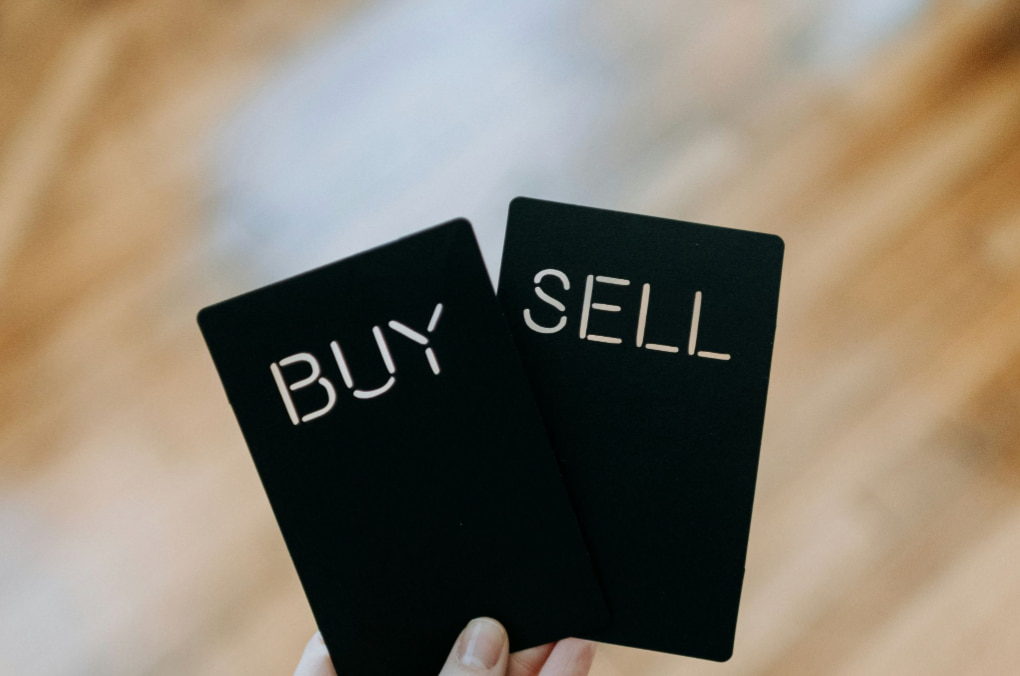
If you want to go deeper - especially for active trading - tools like TradingView can help you analyze price movements and review your trades. What matters most is consistency. Using one or two tools well is far more effective than switching between many.
More about useful apps for investors you can find here.
Don’t Let Over-Tracking Work Against You
One of the most common mistakes is checking performance too often. For long-term investors, this leads to unnecessary reactions to short-term noise. For traders, it can lead to overtrading or impulsive decisions.
A better approach is structured tracking:
Long-term - review monthly or quarterly
Short-term - track regularly, but analyze results in batches
This helps you stay objective instead of emotional. At some point, something changes. You stop focusing on whether you made money today, and start asking a different question: “Am I getting better?”, “Are my decisions more consistent?”, “Are my mistakes becoming smaller?”, “Am I more disciplined than before?”
This is true for both long-term investors and active traders. Because in the end, performance is not just about results - it’s about improvement.
Conclusion
Tracking your investment performance is not about watching numbers - it’s about building awareness. It’s about stepping back and understanding not just what is happening in your portfolio, but why it’s happening. Over time, this awareness becomes one of your strongest advantages. It helps you stay grounded during volatility, avoid emotional decisions, and build confidence in your own process.
Whether you’re investing for the long term or trading more actively, the goal remains the same: to understand your decisions, manage your risk, and improve with each step. The tools you use, the timeframe you follow, and the strategy you choose may differ - but the underlying principle does not change. Because in the end, successful investing is not built on perfect timing or constant wins.
It’s built on discipline, reflection, and the ability to learn from both successes and mistakes. Markets will always be unpredictable, but your approach doesn’t have to be. The investors who succeed over time are not the ones who guess right most often, but the ones who stay consistent, adapt when needed, and continue improving their process.
Once you reach that point, tracking your performance stops being a routine task - and becomes a tool that actively works in your favor.