


What is the VIX Index? Understanding Market Volatility
If you spend enough time following financial markets, you’ll eventually hear investors talk about the VIX Index - especially during periods of uncertainty or sharp market declines. Whenever markets become unstable, headlines often sound something like: “The VIX is surging”, “Fear is rising in the market”, “Volatility spikes as investors panic”.
For beginners, this can sound confusing or overly technical. However, the VIX is actually one of the most important indicators for understanding market sentiment and investor behavior. Moreover, despite being called the “fear index,” the VIX is not really about fear itself. It’s about expectations - specifically, how much volatility investors expect in the near future.
What Is the VIX Index?
The VIX index, officially known as the Volatility Index, is calculated based on the prices of options on the S&P 500 index. It reflects market participants’ expectations of the S&P 500’s volatility over the next 30 days. In other words, the VIX shows how strongly investors believe the market may fluctuate in the near future.
In simple terms:
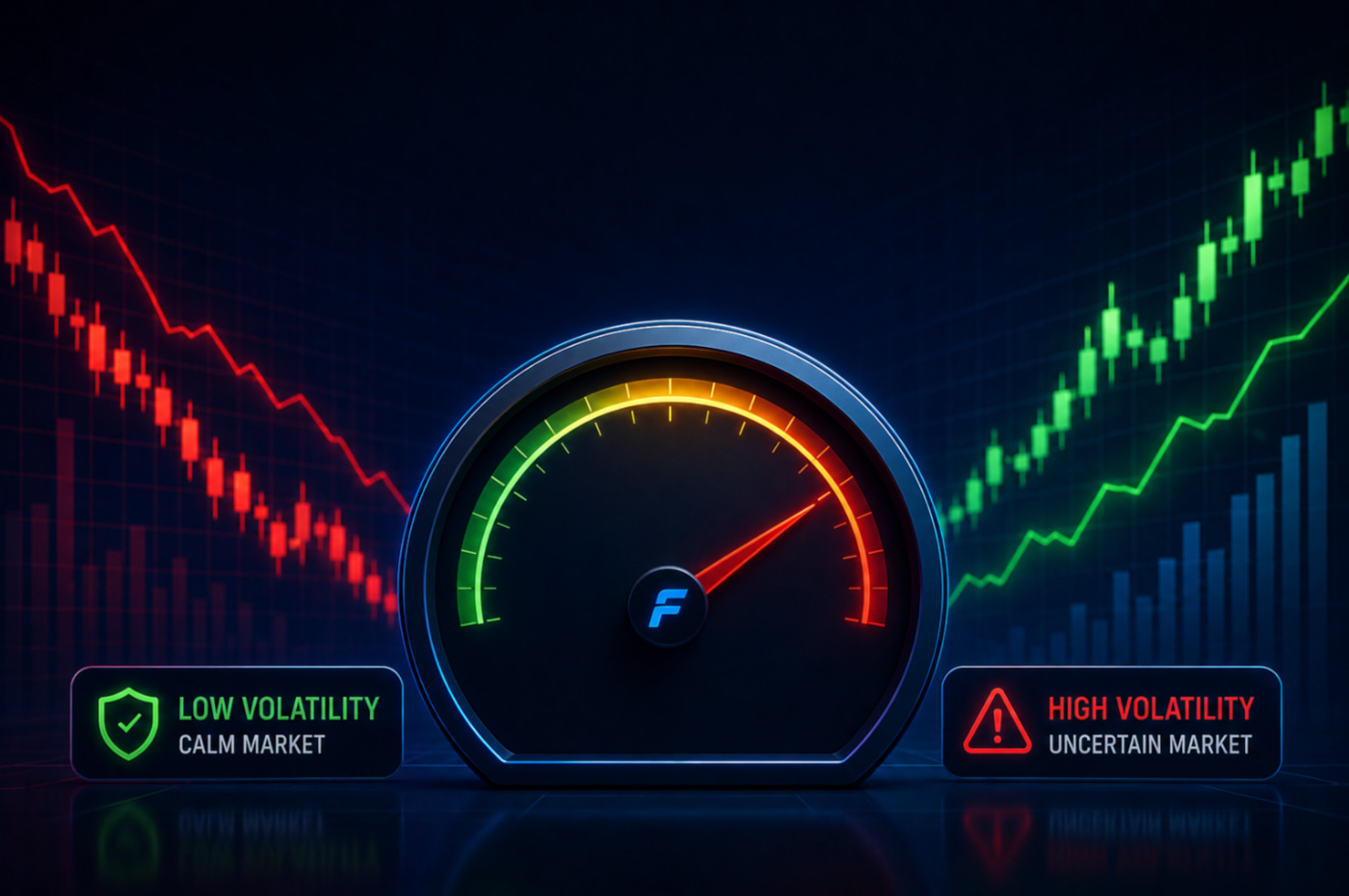
a low VIX usually means markets are calm
a high VIX usually means investors expect large market movements
The index itself does not predict whether markets will go up or down. Instead, it measures the expected intensity of market movement. This is an important distinction that many beginners misunderstand.
Furthermore, the VIX is often referred to as the “fear index” because it tends to rise during periods of uncertainty, panic, or financial stress. When investors become nervous about inflation, economic slowdowns, geopolitical events, interest rates or market crashes. They often buy protective financial instruments, which increases expected volatility - and pushes the VIX higher.
For example:
during calm bull markets, the VIX may stay around 12–18
during major uncertainty, it may rise above 30
during extreme crises, it can spike dramatically higher
One of the most famous examples occurred during the 2020 COVID market crash, when the VIX surged above 80 - one of the highest levels ever recorded. However, despite its nickname, the VIX does not directly measure emotions. It measures expectations about future market volatility.
How the VIX Actually Works
The mechanism behind the VIX calculation is more technical than it may seem at first glance. The index is calculated based on the prices of options on the S&P 500 index. Without going into mathematical details, it can be said that option prices reflect how much investors are willing to pay for protection against market fluctuations. When investors expect calm market conditions, option prices generally remain lower, and the VIX stays at a low level. However, when investors expect sharp market swings, demand for protection increases, option prices rise, and the VIX moves higher.
In other words, the VIX reflects how uncertain or unstable investors believe the market may become over the next month. Moreover, because expectations can change quickly, the VIX can move very rapidly during stressful periods.
What Causes the VIX to Rise or Fall
The VIX reacts primarily to uncertainty. It tends to rise when investors suddenly become concerned about potential risks or unpredictable market conditions.
Common triggers include:
central bank announcements
inflation data
recession fears
geopolitical tensions
unexpected economic news
sharp market sell-offs
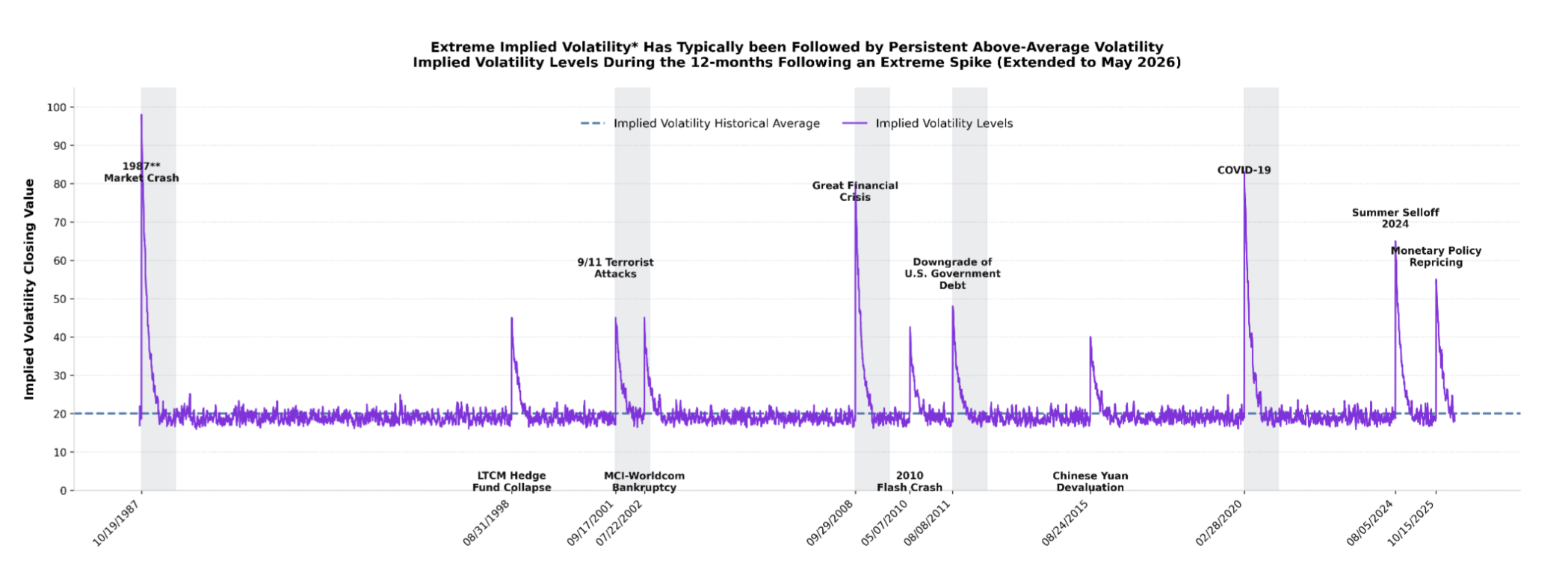
Interestingly, the VIX often rises faster than it falls. Fear tends to enter markets suddenly, while confidence usually returns more gradually. This is why volatility spikes are often sharp and aggressive, while calm periods can last for months. At the same time, a low VIX does not automatically mean the market is “safe.” Sometimes, extremely low volatility can actually signal overconfidence or complacency among investors.
How Investors Use the VIX
Different investors use the VIX in different ways. For short-term traders, the VIX can serve as a tool for understanding market sentiment and short-term risk conditions. Rising volatility often means larger price swings, faster reactions and increased uncertainty.
For active traders, this can create both opportunities and additional risk. Long-term investors usually view the VIX differently. Rather than reacting to every spike, many long-term investors use volatility as context rather than a trading signal. Historically, periods of elevated fear have often created opportunities for disciplined long-term investing.
This doesn’t mean volatility is pleasant - market declines are emotionally difficult for most people. But understanding the VIX can help investors separate emotional reactions from actual strategy. Some investors also trade volatility directly through volatility-related ETFs or derivatives, but these products are generally considered more advanced and are often misunderstood by beginners.
The Risks of Misunderstanding Volatility
One of the biggest mistakes investors make is assuming that volatility and risk are exactly the same thing. They are related - but not identical. Volatility simply means prices are moving more aggressively. Sometimes volatility reflects real danger. Other times, it reflects temporary emotional reactions or uncertainty.
Another common mistake is treating the VIX as a “market prediction tool.” A high VIX does not guarantee a market crash. A low VIX does not guarantee stability. The VIX reflects expectations - not certainty.
This is important because markets can remain volatile longer than investors expect, and emotional reactions to volatility often create poor decisions:
panic selling
overtrading
abandoning long-term plans
chasing short-term movements
For many investors, learning how to psychologically handle volatility is just as important as understanding the technical side of investing.
Even if you never actively trade volatility, understanding the VIX can still improve your perspective as an investor. It teaches an important lesson: market emotions constantly change, but long-term investing principles usually do not.
Periods of fear feel intense in the moment. Headlines become emotional, predictions become extreme, and short-term uncertainty dominates market conversations.
However, over long periods, markets historically move through cycles: optimism, fear, recovery, and growth.
Understanding volatility helps investors stay more objective during these cycles. And often, the investors who perform best long term are not the ones who avoid volatility completely - but the ones who learn how to manage their reactions to it.
Conclusion
The VIX Index is one of the most widely followed indicators in financial markets because it provides insight into how investors perceive uncertainty and risk. However, its real value is not in predicting the future. Its value is in helping investors understand market psychology, volatility, and how emotions influence financial decisions.
Especially for beginners, learning about the VIX is less about becoming a volatility trader and more about developing perspective. Because market volatility is unavoidable, so the real challenge is not eliminating uncertainty - it’s learning how to navigate it without losing discipline or long-term focus. More about the 10 popular investment mistakes every beginner should avoid, you can find in this article.